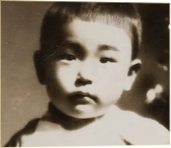
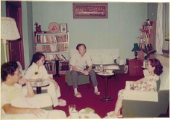
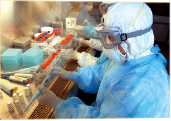
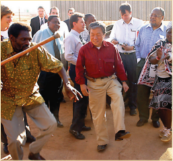
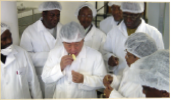
1950Following the outbreak of
the Korean War, lived as
a refugee in Daegu
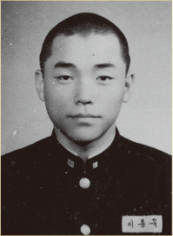
1960Enrolled at Gyeongbok High School
1970Enrolled in the Pre-Medical
Program at the College of
Liberal Arts, Seoul National
University
1976Began volunteer work
(caring for patients with
Hansen’s disease)
1976. 08.Appointed as a contract
physician in the Emergency
Room at the Gangwon Provincial
Medical Center
1976University of Hawaii,
Manoa Campus,
Research support for Hansen’s disease
1981Earned a Ph.D. in Public Health.
Joined the clinical staff
at Johnson Hospital
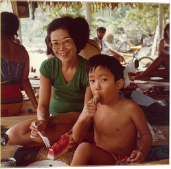
in the small island nation of Samoa.
Began volunteer work
at the WHO Regional Office
1983WHO South Pacific Regional
Office: Began career in international organizations
as a Leprosy Advisor
1986Transferred to the WHO
Western Pacific Regional Office
in Manila, Philippines,
as a Regional Advisor
1990Appointed Director of the
Department of Disease Control
at the WHO Western Pacific Regional Office
1994Appointed Director-General
of the WHO Global Vaccine
Program and the
Childhood Vaccination Program
2000Appointed Special Representative
to the Director-General at WHO Headquarters
and Director of the WHO Tuberculosis
Department
2003First Korean appointed as WHO
Director-General;
officially launched the 3 by 5 Campaign
2004Selected by *Time* as one of the
100 Most Influential People
for efforts to prevent the spread
of avian influenza and eradicate
polio and tuberculosis
2004. 12.Completion of the Strategic Health Operations
Center (SHOC) at WHO
2005. 02.Entry into force of the Framework Convention on Tobacco Control
2005World AIDS Day:
Provision of antiretroviral drugs
to 1 million people living with HIV
2006. 05. 22.Date of Passing
(Passed away during the World Health Assembly)
The Legacy of the Late
Dr LEE Jong-wook
The journey of Director-General Lee Jong-wook,
the Schweitzer of Asia in the 21st century